
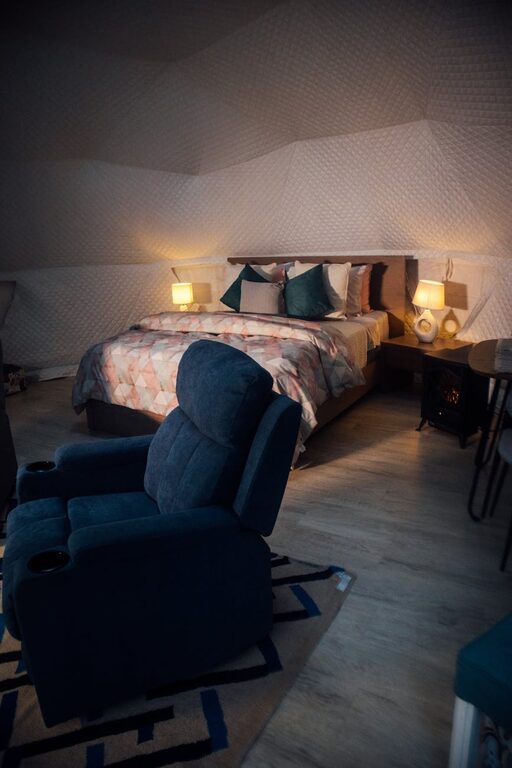
Creating a warm and inviting atmosphere in your home often starts with the right lighting. Comfortable home lighting not only makes your space look beautiful but also promotes relaxation and well-being. Whether you’re updating a single room or planning a complete lighting overhaul, understanding how to choose comfortable lighting can make all the difference. In this post, we’ll guide you through practical tips on selecting the perfect lighting for your home.
Understanding the Basics of Comfortable Lighting
Before diving into specific choices, it helps to understand what makes lighting comfortable. Comfortable lighting gently illuminates your space without causing glare or excessive brightness. Here are a few key factors:
– Brightness: Measured in lumens, the right brightness depends on the room’s function. Too bright can be harsh, too dim can strain your eyes.
– Color Temperature: Expressed in Kelvin (K), it affects the mood of your room. Warm light (~2700K–3000K) creates a cozy feel; cool light (~4000K–5000K) is energizing.
– Glare and Shadows: Proper placement reduces glare and avoids unwanted shadows, enhancing comfort.
1. Assess Each Room’s Lighting Needs
Different areas in your home have different lighting requirements. Start by considering what activities happen in each space.
Living Room
This is typically a multi-use space for relaxing, reading, and entertaining. Use layered lighting:
– Ambient lighting (ceiling fixtures or recessed lights) provides overall illumination.
– Task lighting (floor lamps or table lamps) for reading or hobbies.
– Accent lighting (spotlights or wall sconces) highlights artwork or architectural features.
Kitchen
Bright, clear lighting is essential here since you need to see details clearly when cooking.
– Use bright, cool lighting for countertop and sink areas.
– Under-cabinet lights can illuminate work surfaces effectively.
– Avoid harsh overhead lighting; dimmable fixtures let you adjust based on task.
Bedroom
Choose warm and soft light to create a relaxing environment.
– Use bedside lamps with warm bulbs and dimmers to adjust the mood.
– Consider blackout curtains and lighting control to help with sleep routines.
Bathroom
Bright, shadow-free lighting is important for tasks like shaving or makeup.
– Place lights around mirrors for even illumination.
– Use moisture-resistant fixtures and bulbs suitable for humid areas.
2. Choose the Right Light Bulbs
The type of bulb you select has a big impact on comfort and efficiency.
– LED Bulbs: Energy-efficient, long-lasting, and available in various color temperatures.
– Incandescent Bulbs: Offer warm light but use more energy and have a shorter lifespan.
– CFL Bulbs: More efficient than incandescent but can have slower warm-up times.
For comfortable home lighting, LED bulbs with warm color temperatures are usually the best choice.
3. Use Dimmers and Smart Controls
One of the best ways to maintain comfortable lighting is flexibility.
– Installing dimmer switches lets you adjust light levels according to the time of day or activity.
– Smart lighting systems can automate changes or allow control from your phone, integrating color and brightness adjustments effortlessly.
This flexibility helps avoid overly bright or dim environments, contributing to comfort.
4. Pay Attention to Fixture Placement
Where your lights are placed matters just as much as the bulbs you choose.
– Avoid placing lights directly above eye level to prevent glare.
– Use indirect lighting, such as floor lamps that bounce light off walls or ceilings, to create a softer effect.
– Consider the angles of light to minimize harsh shadows, especially in work or reading areas.
5. Layer Your Lighting
Combining different types of lighting creates depth and comfort.
– Ambient lighting sets the general mood.
– Task lighting supports specific activities.
– Accent lighting adds focal points and warmth.
Use multiple light sources in each room to avoid flat or harsh lighting.
6. Match Lighting Style with Your Decor
Comfort is not just about how bright or soft the light is — it’s also about creating a space that feels inviting.
– Select fixtures that complement your home’s style, whether modern, rustic, or traditional.
– Materials and finishes can affect how light is diffused, so consider frosted glass for softer illumination.
– Avoid overly ornate or cold fixtures if you want a cozy vibe.
7. Consider Natural Light
Maximize natural light during the day by using sheer curtains or blinds that can be easily adjusted.
– Arrange mirrors to reflect daylight into darker corners.
– Use light-colored walls and ceilings to enhance light reflection and make rooms feel more open and comfortable.
8. Replace or Clean Old Fixtures Regularly
Dust and age affect how much light fixtures emit.
– Clean fixtures and bulbs regularly to maintain brightness.
– Replace outdated fixtures if they do not evenly distribute light or if the bulbs are incompatible with modern LEDs.
Conclusion
Choosing comfortable home lighting is about balance—brightness, color temperature, fixture placement, and style all play vital roles. By assessing your room’s needs, opting for warm LED bulbs, layering different lighting types, and making use of dimmers and smart controls, you can create inviting and functional spaces throughout your home. Remember to factor in your personal taste and lifestyle to ensure your lighting setup not only looks great but feels just right.
With these tips in mind, you’re well-equipped to select lighting that enhances comfort and transforms your home into a warm haven. Happy lighting!